Tel:
+86-13853897682
May 08 2021

Managing heavy-duty packaging in the modern commercial agricultural sector requires a deep understanding of structural logistics and environmental protection. For feed mills and large-scale farming enterprises, standardized 50kg bulk storage presents a demanding physical challenge. Packaging this volume of dense ruminant nutrition requires far more than a standard single-layer plastic sack. If your packaging fails to meet industrial structural standards, your facility faces costly material loss, ruined product freshness, and severe operational delays.
To secure your inventory and streamline operations, selecting an engineered cattle feed bag featuring a premium triple-layer composite structure is the ultimate solution. This advanced material configuration provides an absolute protective barrier specifically tailored to withstand the extreme physical weight of bulk storage and the complex chemical properties of cattle feed formulations.
A standard 50kg cattle feed sack undergoes incredible mechanical stress throughout the global commercial supply chain. From the exact moment the automated packing line drops 50kg of dense pellets or textured grain into the sack, the material is subjected to high impact forces. During transport and high-density warehouse storage, these sacks are frequently stacked 6 to 10 layers high on industrial pallets. This vertical arrangement puts hundreds of kilograms of continuous pressure on the bottom layers.
Without a reinforced structural design, single-layer or multi-wall paper alternative packaging easily succumbs to:
Seam Rupture: Heavy vertical pressure can cause standard stitched bottoms to blow out during stacking.
Puncture Damage: Coarse, abrasive grains and hard extruded pellets continually rub against the inner walls, leading to friction tears.
Pallet Slippage: Smooth, unlaminated sacks easily slide out of alignment during sharp forklift turns, resulting in entire pallet collapses.
Upgrading to a heavy-duty polypropylene (PP) woven fabric base provides the exceptional tensile strength and impact resistance required to survive rough handling and demanding freight environments without a single tear.
The secret to a high-performance cattle feed bag lies in its specialized triple-layer architecture. Rather than relying on a single thick sheet of plastic, advanced manufacturing combines three distinct materials—each engineered to solve a specific supply chain threat.
Here is how the three layers work together to protect your bulk inventory:
The Outer BOPP Lamination Layer: Biaxially Oriented Polypropylene (BOPP) film creates a perfectly smooth, glossy, or matte exterior. Beyond allowing high-resolution, multi-color branding and clear regulatory text to be printed directly on the sack, it acts as the primary shield against ambient dust, water splashes, and physical scuffing.
The Structural Middle Woven PP Layer: This is the high-strength backbone of the entire sack. Made from tightly woven, premium polypropylene fabric with optimized fabric weight (typically between 65 GSM and 90 GSM), this interlocking grid provides the burst resistance and tensile strength needed to hold 50kg loads secure under extreme physical stress.
The Inner PE Film Barrier or Coating: The innermost layer is a dedicated Polyethylene (PE) liner or specialized coating. It seals the micro-gaps of the woven fabric, providing a total liquid and vapor barrier that keeps fine powder contained and stops external humidity from seeping in.
Cattle feed formulations are uniquely complex. Unlike simple poultry mash, premium beef and dairy cattle rations are frequently texturized or blended with sticky liquid molasses and heavy vegetable oils to boost palatability and energy content. These sticky, high-lipid ingredients pose a hidden danger to standard packaging.
When stored in basic single-layer sacks, fats and molasses slowly migrate outward through the porous plastic weave. This grease migration dissolves outer laminations, stains the exterior of the bag, ruins brand logos, and creates a sticky surface that attracts dirt, insects, and pests in the warehouse.
Furthermore, ruminant feeds are highly hygroscopic. If ambient moisture penetrates the packaging, the internal humidity triggers a rapid biochemical reaction. The sticky molasses and grain particles bind together, causing the feed to clump and cake into solid blocks that clog automated farm feeding systems. Even worse, excess moisture leads to rapid mold colonization and vitamin degradation, turning expensive inventory into toxic waste. The airtight, grease-proof inner liner of a triple-layer cattle feed bag entirely stops oil migration and seals out ambient moisture, keeping the feed perfectly dry, fresh, and free-flowing.
In the agricultural business, logistics don't stop at the warehouse door. A commercial cattle feed sack is frequently transported to remote farms, transferred to open-air distribution hubs, or stored directly next to pasture feeding stations. This means the packaging must routinely endure direct, long-term exposure to harsh sunlight, rain, and extreme seasonal temperature shifts.
Unprotected polypropylene is highly sensitive to solar ultraviolet (UV) radiation. Extended exposure to UV rays breaks down the polymer chains within the plastic, causing the strong woven grid to become brittle, lose its tensile strength, and chalk. A UV-degraded bag will easily split open the moment a farmworker attempts to lift it.
To guarantee long-term outdoor storage durability, the raw materials must be treated with premium UV-stabilized additives during the manufacturing extrusion process. This invisible protective shield ensures that your inventory can sit safely in sun-drenched environments or semi-outdoor pastures for months without suffering structural decay or material failure.
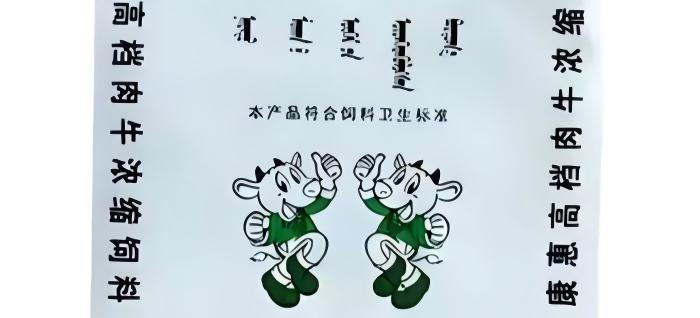
To assist your procurement team in selecting the perfect material build, this reference table outlines the technical specifications required for heavy-duty 40kg to 50kg bulk storage sacks compared to lighter applications.
| Packaging Parameter | 50kg Heavy-Duty Cattle Feed Bag | 10-25kg Standard Poultry Bag |
|---|---|---|
| Material Base | 100% Virgin Polypropylene (PP) | Polypropylene (PP) or Polyethylene (PE) |
| Layer Structure | Triple-Layer (BOPP + Woven PP + PE Liner) | Double-Layer (Woven PP + Inner Coating) |
| Fabric Weight (GSM) | 75 GSM - 90 GSM (High Tensile) | 60 GSM - 70 GSM (Lightweight) |
| Surface Finish | Anti-Slip Matte or Texturized Coating | Standard High-Gloss Lamination |
| Bottom Seam Style | Reinforced Multi-Thread Stitched Bottom | Single-Stitched or Heat-Sealed Bottom |
| Environmental Target | High UV Stability, Grease-Proof Barrier | Basic Moisture Protection, Heat Venting |
Investing in the right cattle feed bag is a direct investment in your company’s bottom line, operational safety, and customer satisfaction. By matching the technical specs of a triple-layer composite structure to the heavy, sticky, and moisture-sensitive nature of ruminant feed formulations, your facility can eliminate warehouse product loss, prevent automated packing line jams, and completely avoid client complaints regarding moldy feed or burst packaging.
As a premier global industrial packaging manufacturer, Wintop specializes in engineering high-strength, FDA-compliant cattle feed sack solutions built to withstand the toughest logistics environments. From customized anti-slip surfaces that secure your forklift pallets to vibrant, high-resolution BOPP printing that makes your brand stand out in competitive markets, we deliver tailored solutions to your exact operational parameters. discover our full range of heavy-duty solutions on our Product Page.
Ready to upgrade your industrial packaging standards and secure your bulk feed inventory? Contact the Wintop engineering team today to receive a professional technical consultation and a competitive wholesale quote.
While a double-layer bag works well for lighter, dry grains, a 50kg cattle feed volume places immense pressure on the packaging seams. Furthermore, cattle feed formulations often contain heavy oils or liquid molasses, which require the advanced third layer (a grease-proof inner PE liner) to prevent oils from seeping through the woven fabric and weakening the bag's structure.
When 50kg sacks are stacked high on pallets, a smooth plastic surface creates a major safety risk due to low friction. Forklift movements and vibrations can cause the sacks to slide, leading to tipping pallets. Wintop applies specialized anti-slip coatings or texturized weave patterns to the outer layer, ensuring the bags lock firmly together during mechanical handling.
Not at all. Premium triple-layer sacks are engineered specifically for high-speed automated packing lines. The inner PE liner can be easily hemmed, heat-sealed, or sewn together with the outer woven layer using standard industrial multi-thread sewing equipment without causing any line delays or feeding jams.
Sacks treated with high-grade UV-stabilized additives during Wintop's extrusion process are designed to withstand months of intense, direct solar exposure. This specialized treatment slows down polymer degradation, ensuring the fabric retains its tensile strength, tear resistance, and burst protection even in harsh, open-air agricultural environments.