Tel:
+86-13853897682
Aug 29 2026

As a global grain bag factory, Wintop's wholesale grain sacks are durable, eco-friendly packaging solutions designed for storing and transporting dry food staples like rice, wheat, and oats. Made from recyclable or biodegradable materials, they combine functionality with sustainability, featuring moisture-resistant barriers to preserve freshness. Their sturdy construction ensures safe handling, while user-friendly designs (e.g., resealable zippers or easy-pour spouts) enhance convenience. Ideal for both retail and bulk use, grain bags often include transparent windows or minimalist branding to showcase product quality. This focus on durable, functional packaging is shared by industry-leading fertilizer bag manufacturers, who apply similar principles of quality and sustainability.
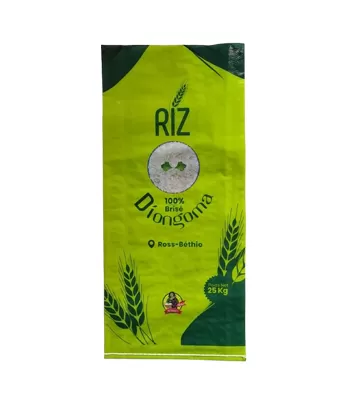
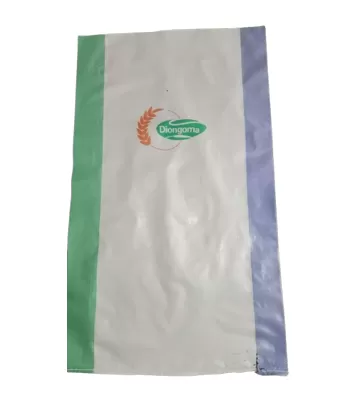
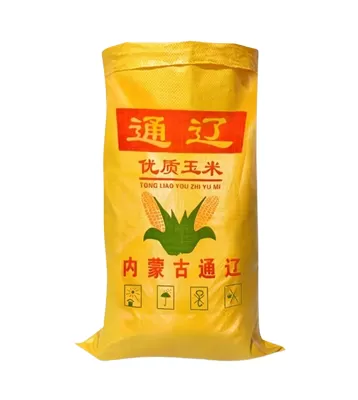
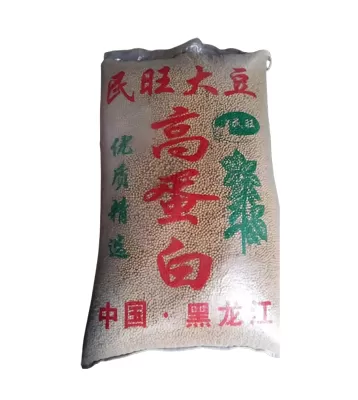
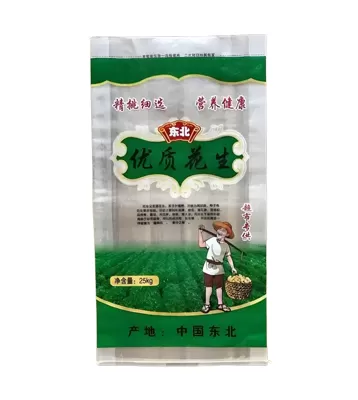
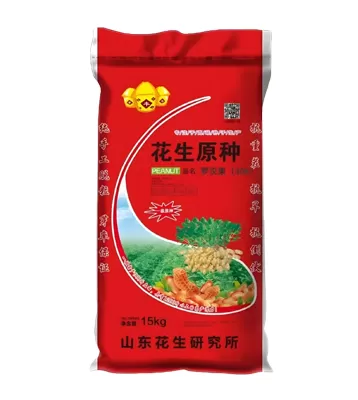
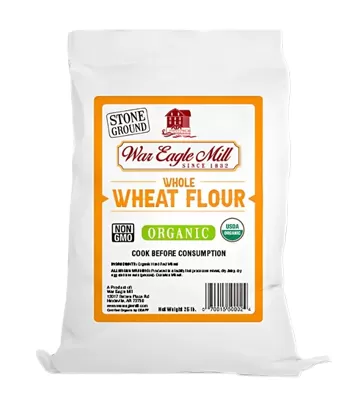
Custom Grain Sacks For Wholesale: Preserve Freshness & Enhance Quality
Prevent humidity absorption to avoid mold and spoilage.
Shields grains from sunlight degradation, preserving nutrients.
FDA-compliant inner layers ensure zero chemical contamination.
Woven polypropylene or laminated kraft paper resists punctures and pests, materials skillfully utilized by a reliable woven bags manufacturer.
Zip-lock or heat-sealed closures lock in freshness.
Micro-perforations (optional) allow airflow for specific grains.
Display storage instructions, origin traceability, or QR codes on custom printed PP woven bags.
High-quality prints showcase professionalism.
Rice, wheat, coffee beans, and organic staples needing extended shelf life. For dedicated rice packaging, explore our rice sacks for sale designed for commercial storage and transport.

Polyethylene (PE): Most common for moisture resistance; includes LDPE (flexible) and HDPE (stiffer).
Polypropylene (PP): Used for high-clarity, grease-resistant liners inside boxes.
Biodegradable Films: PLA (cornstarch-based) or compostable polymers for eco-friendly options.
Metallized Film: Aluminum coatings block light/oxygen, extending shelf life.
EVOH Layers: Ethylene vinyl alcohol for superior oxygen and aroma barrier.
Woven Polypropylene: For bulk cereal transport (50+ lbs).
Kraft Paper: Recyclable outer bags, often with PE lining.
Post-Consumer Recycled (PCR) Plastic: Reduces virgin plastic use, as part of our practices as a poly woven bags manufacturer.
Mono-Materials: Easier to recycle (e.g., all-PP structures).
Note: Inner bags often combine 2–3 layers for freshness, while outer materials prioritize durability.
Absolutely. As a responsible grain bag manufacturer, our production lines comply with ISO 9001 and HACCP standards. All raw materials are tested for food-contact safety (FDA/EU standards) to ensure no chemical migration occurs, which is critical to maintain food quality and safety for human consumption.
We have an in-house laboratory where every batch undergoes rigorous testing. We simulate extreme sun exposure (accelerated UV aging tests) to ensure our bags survive 6-12 months of outdoor use. We also perform “Drop Tests” and “Tensile Strength Tests” to ensure that as a grain bag factory, we provide sacks that won’t burst during rough handling or high-stacking in warehouses.
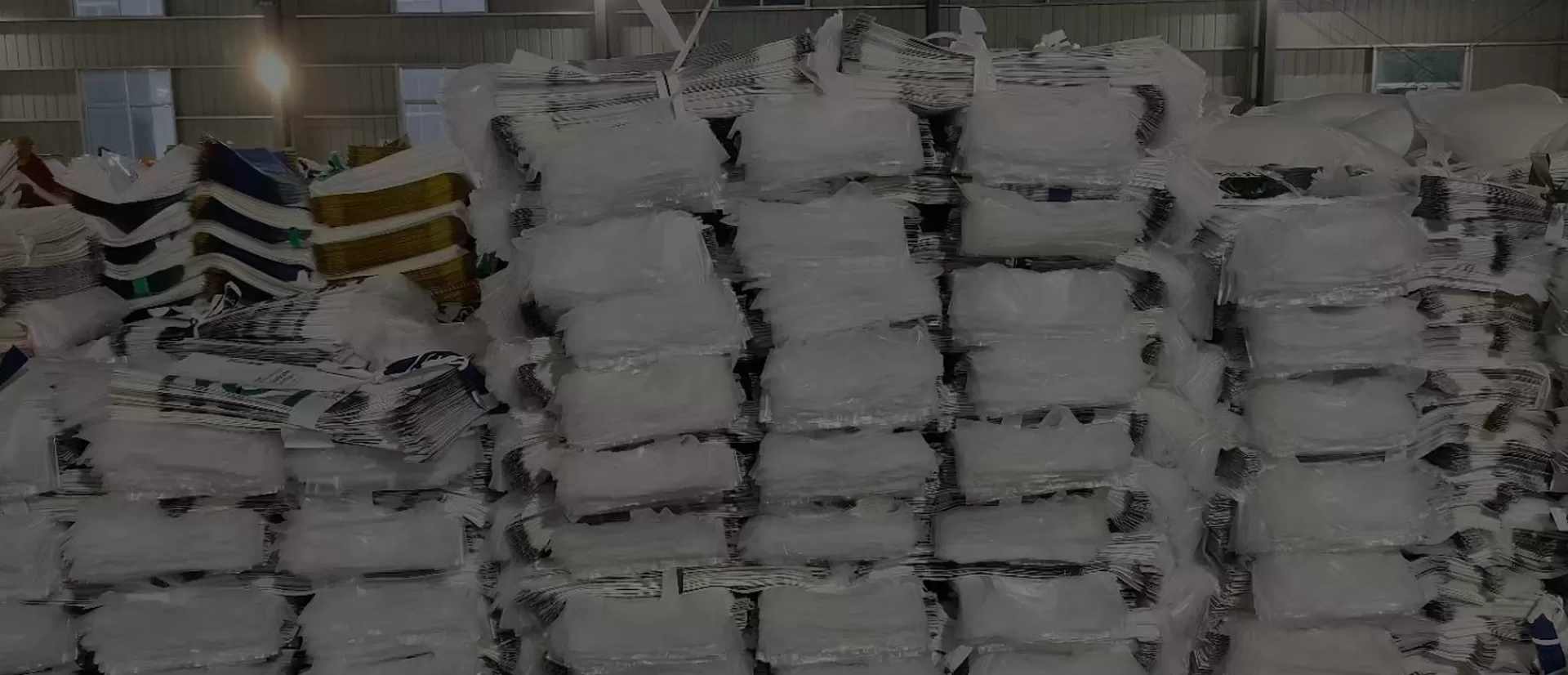
We optimize the palletizing and compression process at our grain bag factory. By using high-pressure hydraulic baling machines, we can increase the loading quantity per 40HQ container by 15-20% compared to standard packing. This significantly lowers the landed cost per bag for our international clients.