Tel:
+86-13853897682
Aug 22 2025

Choosing the right polypropylene bag directly affects your packaging cost, load performance, brand image, and delivery timeline. Whether you need heavy-duty strength for industrial supply chains or lightweight promotional bags for retail events, the woven vs. non-woven decision is where the specification starts. This guide compares both options and explains when woven polypropylene bags wholesale is the stronger investment — and when non-woven makes more sense.
Woven PP bags are made from flat tape yarn woven into a structured fabric sheet — the same interlocking principle as textile weaving, but using polypropylene strips instead of fiber thread. The result is a material with significantly higher tensile strength than non-woven alternatives.
| Advantage | Detail |
|---|---|
| High load capacity | Woven structure distributes weight across the fabric; suitable for 25–50 kg fills |
| Durability and reuse | Resists tearing under load; can be designed for multiple-use cycles |
| Lamination compatibility | Accepts matte or gloss BOPP lamination for sharp, photographic-quality printing |
| Structural integrity | Holds shape under compression and stacking in warehouses and logistics |
| Moisture resistance | Laminated woven PP blocks moisture ingress for food and agricultural products |
Rice, flour, sugar, and grain packaging
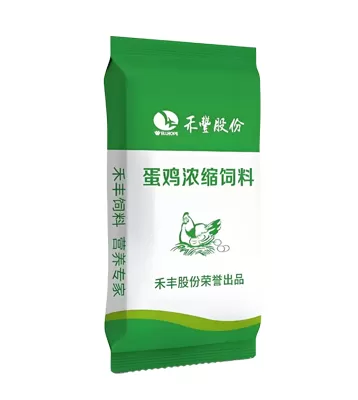
Pet food and animal feed sacks
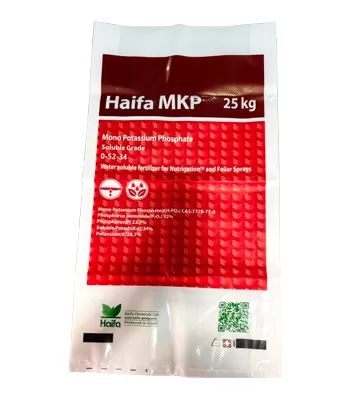
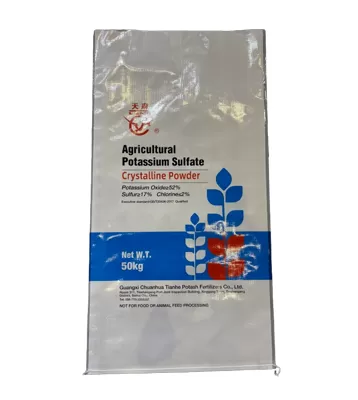
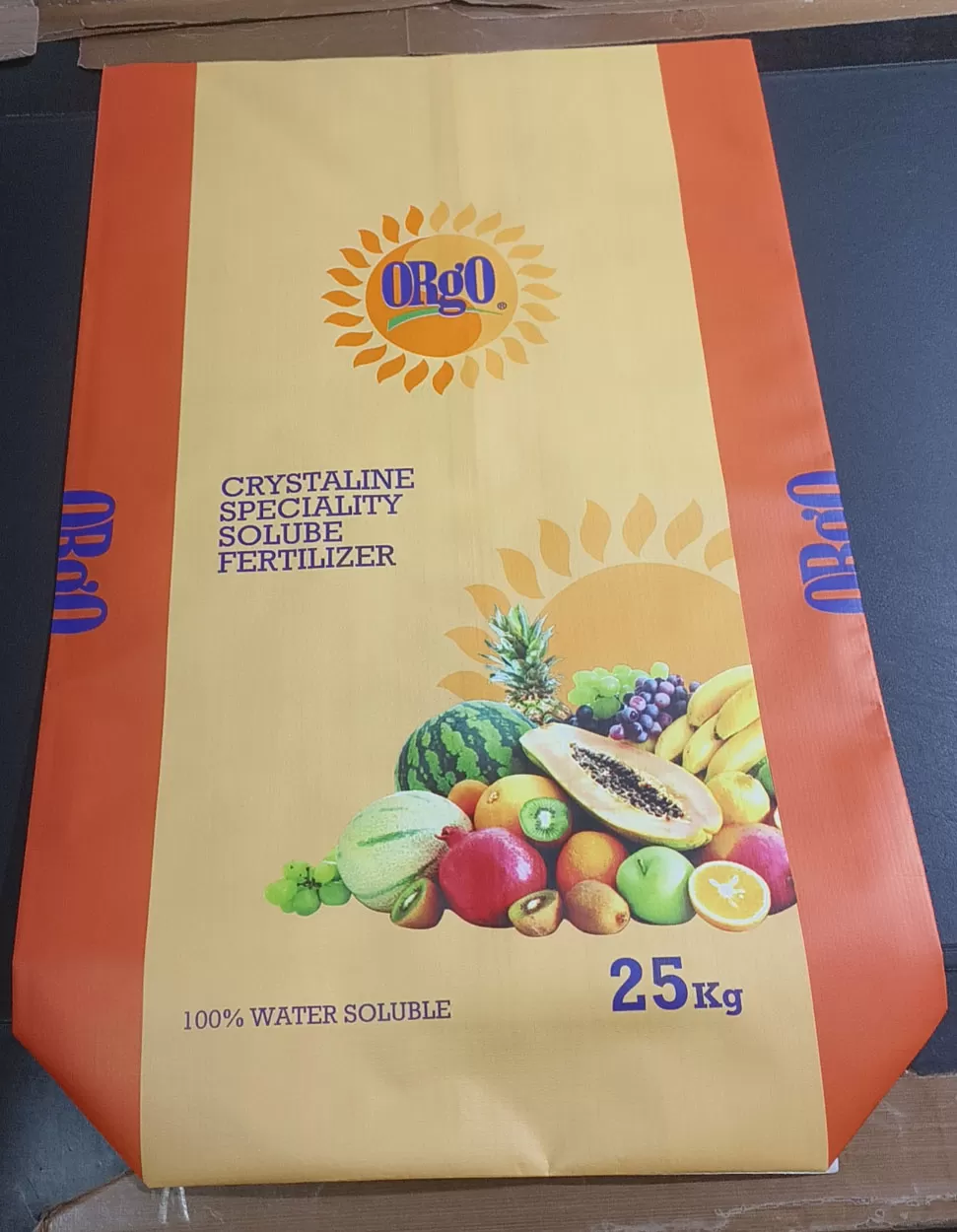
Fertilizer, cement, and building material sacks
Heavy retail carry bags with reinforced handles
Logistics and industrial bulk packaging
If your application involves weight, repeated handling, or outdoor exposure, woven PP is typically the correct starting specification.

The comparison between woven and non-woven PP comes down to five practical variables that affect every wholesale buying decision.
| Factor | Woven PP Bags | Non-Woven PP Bags |
|---|---|---|
| Strength and load bearing | High — interlocked tape yarn structure | Moderate — bonded fiber sheet; suitable for lighter loads |
| Look and texture | Structured, cross-weave visible or covered by lamination | Soft, fabric-like, matte surface |
| Print quality | High — BOPP lamination enables photographic print | Good — screen and heat-transfer print for logos and simple graphics |
| Durability | High — designed for heavy use and outdoor conditions | Moderate — suitable for short to medium lifecycle promotional use |
| Typical GSM range | 60–120 GSM fabric weight | 60–120 GSM but different density profile |
| Unit cost at volume | Higher — more material and processing | Lower — faster production, simpler construction |
| MOQ flexibility | Generally higher MOQ for full customization | Often lower MOQ for standard promotional formats |
| Best for | Industrial, agricultural, premium retail, logistics | Events, giveaways, retail promotions, lightweight carry bags |
The decision is not about which material is better — it is about which is correct for your load, reuse expectations, branding requirements, and budget.
Branding is where the two materials diverge most clearly from a marketing perspective. The print method available to you depends directly on which material you choose.
| Print Method | Material Compatibility | Output Quality | Best Application |
|---|---|---|---|
| Flexographic print (flexo) | Woven PP (un-laminated) | Good — solid colors and simple graphics | Agricultural and industrial sacks |
| Gravure print on BOPP lamination | Woven PP (laminated) | Excellent — photographic, Pantone-accurate, high-detail | Premium retail bags, food packaging |
| Screen printing | Non-woven PP | Good — clean logos and up to 4-color designs | Promotional bags, event giveaways |
| Heat transfer print | Non-woven PP | Good — gradient and photographic possible | Mid-range retail and branded totes |
| Digital print | Both — depends on surface treatment | Variable — best for short runs and prototypes | Sampling and small-batch custom orders |
If your branding goal is premium shelf impact — photographic imagery, accurate Pantone colors, high-gloss finish — laminated woven PP with gravure printing is the specification to choose. The BOPP lamination creates a printable surface that rivals rigid packaging in visual quality.
If your goal is mass promotional distribution at the lowest cost per unit — logo plus one or two brand colors across a large quantity — non-woven PP with screen printing delivers a clean, recognizable result at a fraction of the cost of laminated woven.
The clearest way to navigate the woven vs. non-woven decision is to match the material to the industry application and its specific demands.
| Industry or Use Case | Recommended Material | Key Reason |
|---|---|---|
| Rice, grain, and flour packaging | Woven PP (laminated or un-laminated) | Load strength; moisture barrier; food-safe options |
| Fertilizer and agricultural inputs | Woven PP (UV-stabilized) | Outdoor exposure; heavy fill weight |
| Pet food and animal feed | Woven PP (laminated, high-print) | Premium print quality; moisture protection |
| Cement and building materials | Heavy woven PP (100+ GSM) | Extreme load and puncture resistance |
| Supermarket carry bags (standard) | Woven PP laminated | Reusable; print quality for retail branding |
| Promotional giveaway bags | Non-woven PP | Lightweight; low cost per unit; short lifecycle |
| Exhibition and event merchandise | Non-woven PP | Fast production; simple branding; cost-efficient |
| Premium retail and gift packaging | Woven PP laminated with handle | Structural form; high-quality print; premium perception |
| E-commerce poly mailers | Woven or non-woven depending on weight | Tear resistance varies; confirm load before specifying |
What is the maximum fill weight or load the bag must carry?
How many use cycles is the bag expected to survive?
Does the design require photographic or Pantone-accurate printing?
What is the target cost per unit?
Is outdoor or moisture exposure part of the use case?
What is the MOQ that the buying program can support?
Answering these five questions will point clearly to woven or non-woven in most cases.
Incomplete specifications are the most common cause of delayed quotes, incorrect sampling, and post-delivery disputes. The following checklist covers every variable that affects production, pricing, and quality.
| Specification | Options to Define | Why It Matters |
|---|---|---|
| Bag dimensions | Width x Height x Gusset in mm or cm | Determines material usage and tooling requirements |
| Handle type | Die-cut, rope, ribbon, reinforced sewn | Handle choice affects structural load and cost |
| Top finishing | Open top, sewn top, heat-sealed, zipper | Defines closure method and filling process compatibility |
| Fabric weight (GSM) | 60–120 GSM typical range | Heavier GSM = stronger bag and higher cost per unit |
| Denier and weave density | Confirmed by application load requirement | Finer denier = smoother surface; denser weave = stronger fabric |
| Lamination | Matte BOPP, gloss BOPP, un-laminated | Lamination enables high-quality printing and moisture barrier |
| UV resistance | Required for outdoor storage applications | UV stabilizer additive prevents degradation in sunlight |
| Printing area | Defined panel dimensions for artwork | Artwork must fit within printable zone on each face |
| Color count | Number of Pantone or process colors | Drives gravure or flexo plate cost and run time |
| Artwork format | Vector (AI, PDF, EPS) preferred | Raster files at insufficient resolution cause print quality issues |
| Quantity | Per SKU and total order volume | Determines whether custom tooling is amortized cost-effectively |
| Packaging method | Bundled in polybag, packed in carton, pallet | Affects container loading, freight cost, and delivery condition |
| Shipping terms | FOB, CIF, DDP | Defines cost and risk transfer point |
Before requesting a quote, prepare a technical brief that covers every field above. Suppliers who receive complete briefs return faster, more accurate pricing — and produce samples that match the requirement rather than requiring multiple revision rounds.
Choosing between woven and non-woven PP comes down to how your business balances load performance, brand presentation, and cost per unit. For heavy industrial, agricultural, or premium retail applications where strength and print quality both matter, woven polypropylene bags wholesale is the specification to work from. For lightweight promotional distribution at scale, non-woven delivers the better cost-per-unit outcome.
The most important step is matching material to application before sampling begins — not after the first bulk order arrives.
Woven PP is the correct choice for heavy or industrial loads. The interlocked tape yarn structure gives it significantly higher tensile strength than non-woven alternatives, making it suitable for fill weights from 5 kg to 50 kg depending on GSM and weave density. Non-woven PP is better matched to lighter loads in promotional and retail carry bag applications.
Yes. Woven PP bags support several print methods depending on whether the bag is laminated or un-laminated. Laminated woven PP with BOPP overlay supports gravure printing with photographic quality and accurate Pantone matching. Un-laminated woven PP supports flexographic printing for solid colors and simpler graphics. Confirm the print method with your supplier at the specification stage.
MOQ varies by material, bag style, and customization depth. Plain woven or non-woven bags in stock constructions typically have lower MOQs. Fully custom-printed bags with new tooling or lamination require higher minimum quantities to amortize setup costs. Share your quantity target early in the discussion so the supplier can confirm whether your program is viable at your required specification.
Generally yes for lightweight promotional formats — non-woven production is faster and requires simpler tooling than woven. However, total unit cost depends on GSM, handle type, printing method, and finishing. A heavy non-woven bag with full-color heat-transfer print may cost more per unit than a plain laminated woven bag at high volume. Always compare on a fully specified basis.
Bag type (woven or non-woven), dimensions (width x height x gusset), handle type and top finish, fabric weight in GSM, lamination requirement, printing specification (number of colors, Pantone references, artwork format), quantity per SKU, packaging method, and target delivery date or lead time requirement. A complete brief eliminates the most common causes of quote delay and inaccuracy.