Tel:
+86-13853897682
Mar 11 2026

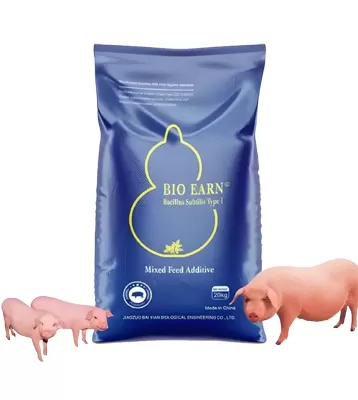
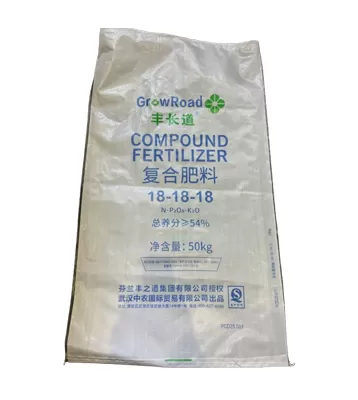
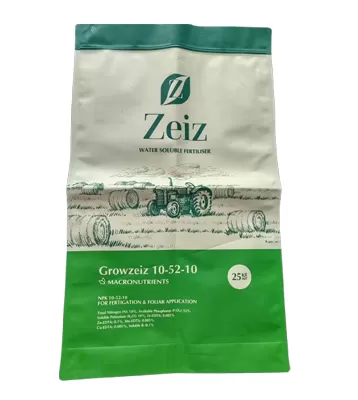
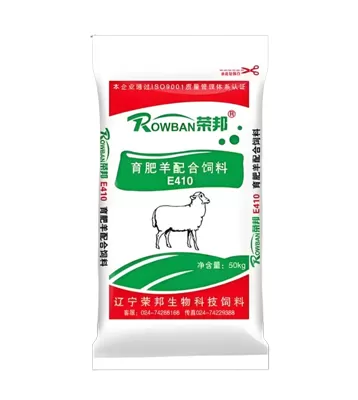
In feed production and distribution, packaging is part of quality control. Moisture ingress, tearing, and weak sealing can trigger mold, clumping, odor, and weight loss — leading to complaints, returns, and brand damage. A high-performance animal feed bag built with BOPP lamination helps protect feed through humid warehouses, long-distance transport, and rough handling. This guide explains how to choose the right structure and specifications for a durable PP animal feed bag that reduces spoilage risk and protects margins.
Packaging failures in feed distribution are rarely dramatic — they are usually the accumulation of small compromises in material quality, seam integrity, and barrier performance that combine under real-world conditions to cause spoilage, customer complaints, and margin erosion.
| Risk Category | Where It Happens | Profit Impact |
|---|---|---|
| Moisture ingress through fabric porosity | Humid warehouse storage; covered truck transport | Clumping, mold growth, reduced palatability, customer complaints |
| Seam failure | Drop during unloading; stack pressure on lower bags | Burst bag = total contents loss; labor for cleanup and re-bagging |
| Lamination delamination | Temperature cycling; rough handling on conveyor | Moisture barrier compromised; bag appearance degraded on shelf |
| Corner puncture | Forklift contact; pallet corner pressure | Slow moisture entry at compromised corner zone |
| Inadequate closure | Sewn top that gaps; heat seal that peels | Moisture and pest entry through the top |
Animal feed — including pellets, mash, grain, and powder forms — is hygroscopic: it actively absorbs moisture from the surrounding air. In markets with 70–90% relative humidity, even a well-made bag that allows slow moisture vapor transmission will degrade feed quality during the 4–8 weeks between production and end use. The bag specification must be selected for the humidity conditions of the supply chain, not for ideal storage.
A standard woven PP sack provides mechanical strength but limited moisture barrier — woven fabric has gaps between yarn intersections that allow vapor transmission. BOPP lamination closes this gap.
| Layer | Material | Function |
|---|---|---|
| Woven PP fabric | Flat-tape woven polypropylene | Primary mechanical strength; load bearing |
| Adhesive layer | Hot melt or extrusion bonding | Bonds the BOPP film to the woven substrate |
| BOPP film | Biaxially oriented polypropylene | Moisture barrier; scuff-resistant surface; print substrate |
The BOPP layer reduces moisture vapor transmission rate (MVTR) significantly compared with un-laminated woven PP, providing meaningful protection through the typical feed distribution timeline.
| Advantage | How It Helps Feed Protection |
|---|---|
| Improved moisture barrier | Slower moisture vapor ingress extends feed shelf life |
| Surface scuff resistance | Bag maintains printability and appearance through distribution handling |
| Stronger bag body | Lamination adds rigidity that reduces deformation and corner stress |
| Premium print quality | Photographic-quality graphics possible on BOPP surface — supporting brand positioning |
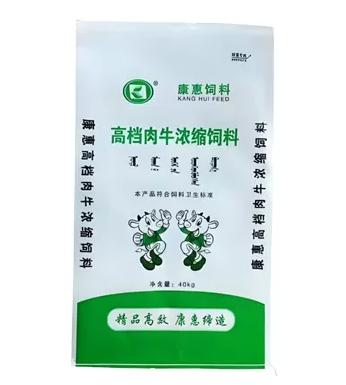
A BOPP laminated PP animal feed bag presents significantly better on the retail shelf or at the feed store than a non-laminated sack. The clean, glossy or matte surface carries brand graphics clearly, resists surface marks, and communicates a quality positioning that influences purchasing decisions for premium and professional feed products.
The closure is statistically the highest-risk zone for moisture ingress and pest entry. The bag's body may be well-specified, but a weak closure undermines the entire barrier investment.
| Closure Type | Moisture Protection | Best Application |
|---|---|---|
| Sewn top (open mouth) | Moderate — needle holes and thread gaps allow some vapor ingress | Standard bulk feed in moderate humidity markets |
| Sewn with inner adhesive tape over seam | Better — tape seals needle holes in the laminated layer | Humid markets; pellet and powder products |
| Heat-sealed top | Best — no needle holes; fully sealed | High-value or moisture-sensitive feed; premium positioning |
| Valve inlet (for filling) | Application-specific — requires correct valve closure after filling | Automated filling lines; powder products |
In markets with very high ambient humidity, or for high-value feed where spoilage has significant financial consequences, a PE inner liner provides an additional moisture barrier inside the woven PP outer:
PE liner thickness: typically 30–60 microns depending on the moisture risk level
Liner configuration: full-length inserted liner versus partial liner protecting only the bottom where condensation pools
Trade-off: liner adds cost and complicates bag emptying — confirm whether the protection benefit justifies the addition for your specific product and market
| QC Requirement | What to Specify | Why It Matters |
|---|---|---|
| Seam strength | Minimum tensile force per unit width | A weak seam fails before the fabric — defeats the purpose of the fabric specification |
| Lamination bond | Peel strength test for the BOPP-to-PP bond | Poor bond causes delamination under moisture cycling |
| Needle hole sealing | Confirm whether lamination self-seals after needle penetration during sewing | Unsealed needle holes are direct moisture entry points at every seam stitch |
Animal feed bags are not handled gently. They are thrown, stacked to six or more pallet layers, dragged across floors, picked by hooks, and exposed to loading dock rain. The bag specification must account for the actual conditions it will experience, not ideal handling.
| Handling Stress | Specification Response |
|---|---|
| Drop during unloading (1 m typical) | Minimum fabric GSM and seam strength to survive 5–10 kg/m² impact |
| Pallet stack pressure (5–6 bags high) | Fabric denier and weave density provide column strength; lamination prevents bag body collapse |
| Conveyor abrasion | BOPP surface absorbs abrasion without tearing the underlying fabric |
| Forklift and pallet jack contact | Corner reinforcement and adequate fabric weight prevent puncture from incidental contact |
| Specification | Typical Range for 25–50 kg Feed Bags | Notes |
|---|---|---|
| Fabric GSM | 90–120 GSM | Heavier for coarser materials; lighter acceptable for pellets |
| Yarn denier | 800–1200 denier typical | Higher denier improves tear resistance |
| Weave density | 10×10 to 12×12 threads per inch | Tighter weave reduces porosity |
| BOPP film thickness | 18–25 microns | Thicker film improves barrier and print quality |
| Lamination bond strength | Minimum 2 N/15mm peel force | Confirm with the supplier for your moisture exposure conditions |
In warehouses where palletized feed bags are stacked on smooth surfaces or steep inclines, anti-slip BOPP surface coatings or anti-slip agents in the lamination compound reduce pallet instability and bag movement during transport.
| Field | What to Specify | Notes |
|---|---|---|
| Bag dimensions | Width × height × gusset (if applicable) in mm | Confirm filled dimensions, not flat |
| Capacity and target fill weight | kg of product | Drives fabric weight and seam strength requirement |
| Fabric GSM and denier | Numeric specification | Match to load weight and handling conditions |
| BOPP film thickness | Microns | Specify for your humidity and print quality requirements |
| Lamination type | Matte or gloss BOPP | Brand aesthetic and functional choice |
| Closure type | Sewn, heat seal, or valve | Match to your filling line capability |
| Inner liner | Yes/No; specify thickness if yes | Required for high-humidity or high-value products |
| Printing | Number of colors; artwork format | Confirm Pantone references for brand color accuracy |
| Packaging method | Baled, boxed, or palletized | Confirm for container and warehouse logistics |
Before placing a volume order, run these validation tests on samples:
Drop test: fill the bag with the actual product weight and drop from 1 m onto each face and corner — no seam failure or burst
Humidity exposure: seal a filled bag and expose to 80% RH for 14 days — measure moisture content of the feed before and after
Stack compression: stack 6 bags high and apply representative pallet weight for 48 hours — no deformation or seam failure
Print rub test: rub the printed surface with a white cloth — no ink transfer acceptable
Batch consistency: request a print sample from the production batch before shipping — BOPP print color can vary between production runs
Lead time planning: for a brand-specific printed PP animal feed bag, minimum lead time is typically 4–6 weeks — plan reorders accordingly
Re-order matching: confirm that the supplier retains the ink formulations and lamination settings for your design to ensure consistent color matching on repeat orders
Packaging failures are profit leaks that accumulate through every weak bag in the distribution chain. A well-specified animal feed bag using BOPP lamination protects feed quality by resisting moisture vapor, surface abrasion, and handling damage from production to end use. Selecting the right fabric weight, closure type, and barrier structure for your product and market conditions makes the PP animal feed bag a practical tool to reduce spoilage claims, protect brand reputation, and improve margin consistency.
Q1: How does BOPP lamination on an animal feed bag prevent moisture damage?
BOPP lamination applies a continuous biaxially oriented polypropylene film layer over the woven PP fabric, significantly reducing the moisture vapor transmission rate compared with un-laminated woven sacks. The film closes the micro-gaps between yarn intersections in the woven fabric that would otherwise allow vapor diffusion over time. The improvement in moisture barrier performance is most significant during the 4–8 week distribution window typical for bagged animal feed.
Q2: Do I need an inner PE liner in my PP animal feed bag?
It depends on your humidity exposure and feed value. In markets with ambient humidity above 75% and for products like fine powder feeds, high-protein formulations, or medicated feeds where moisture sensitivity is high, a PE liner provides a meaningful additional barrier. For standard pellet or grain feeds in moderate humidity markets, a correctly specified BOPP laminated bag without liner typically provides sufficient protection at a lower cost.
Q3: What specifications matter most for preventing bag breakage during distribution?
The fabric GSM and yarn denier determine resistance to puncture and tear. Seam strength — measured as tensile force per unit width — determines whether the bag holds under drop and stack stress. Lamination bond strength determines whether the BOPP film separates from the woven substrate under moisture cycling and mechanical stress. Corner reinforcement and adequate gusset design reduce the stress concentration at corners where failure initiates.
Q4: What tests should I require before accepting a bulk animal feed bag order?
Drop test on fully filled bags from 1 m on each face and corner to verify seam integrity. Humidity exposure test at 80% RH for 14 days to confirm the barrier performance. Stack compression test at 6-bag height for 48 hours to confirm structural integrity under pallet loading. Print rub test to confirm no ink transfer that would contaminate feed or fail retail acceptance criteria.
Q5: What information should I provide to get an accurate animal feed bag quotation?
Bag dimensions (width, height, gusset if applicable), target fill weight in kg, fabric GSM and denier requirement, BOPP film thickness and finish (matte or gloss), closure type (sewn, heat seal, or valve), inner liner requirement, number of print colors with Pantone references, any anti-slip or special treatment requirements, packaging method (bale, box, or pallet), and monthly order volume.